
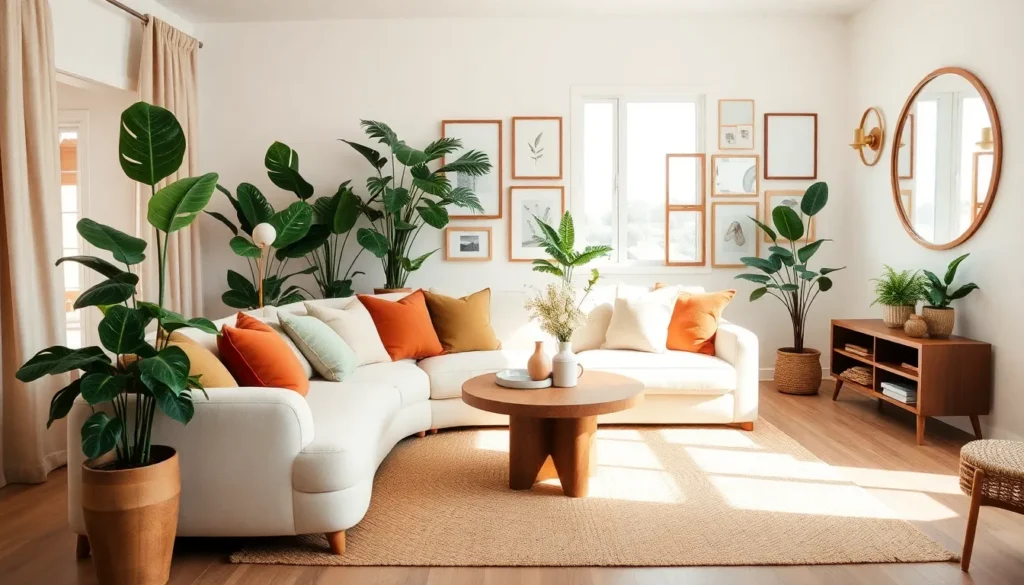
Top design & decor trends in 2025 reflect a shift toward warmth, personality, and connection with nature. Homeowners and renters alike want spaces that feel intentional, comfortable, and distinctly their own. Gone are the days of cookie-cutter interiors and sterile minimalism. Today’s design choices prioritize texture, color, and sustainability in equal measure.
This article breaks down the most influential top design & decor movements shaping homes right now. From curved furniture to vintage finds, these trends offer practical ways to refresh any room. Whether someone is planning a full renovation or a simple weekend update, these ideas provide a clear starting point.
Table of Contents
ToggleKey Takeaways
- Top design & decor trends in 2025 prioritize warmth, personality, and natural materials like wood, stone, and rattan over sterile minimalism.
- Curved furniture and soft lines are replacing sharp angles to create more relaxed, welcoming spaces that improve traffic flow.
- Maximalism is making a bold comeback, encouraging intentional abundance with bold patterns, rich jewel tones, and personal collections.
- Sustainable and vintage decor choices are now mainstream, with consumers seeking quality secondhand pieces and eco-friendly brands.
- Biophilic design connects homes to nature through houseplants, natural light optimization, and organic textures to support well-being.
- Earthy color palettes featuring terracotta, olive green, and warm beige dominate top design & decor strategies across all rooms.
Embracing Natural Materials and Earthy Tones
Natural materials have become central to top design & decor strategies in recent years. Wood, stone, rattan, and linen create visual warmth that synthetic materials simply can’t match. These textures ground a space and make it feel lived-in rather than staged.
Earthy tones dominate color palettes across bedrooms, living rooms, and kitchens. Think terracotta, warm beige, olive green, and clay. These shades work together without clashing and pair well with both modern and traditional furniture. A terracotta accent wall, for instance, can anchor a neutral room and add depth without overwhelming the senses.
Designers recommend layering different natural materials for maximum impact. A jute rug under a wooden coffee table, linen curtains beside stone countertops, these combinations create visual interest through contrast. The key is balance. Too much of one material can feel flat, while a thoughtful mix feels curated.
This trend also extends to hardware and fixtures. Brass, bronze, and matte black finishes replace shiny chrome in many homes. These metals age gracefully and complement natural wood tones. Even small swaps like cabinet pulls or light fixtures can shift a room’s entire feel.
The Rise of Curved Furniture and Soft Lines
Sharp angles are taking a backseat to curves in top design & decor circles. Rounded sofas, arched doorways, and circular mirrors soften interiors and create a more relaxed atmosphere. This shift reflects a broader desire for comfort over rigid formality.
Curved furniture pieces serve as natural focal points. An arched sofa in a living room draws the eye and invites conversation. Round dining tables encourage connection, everyone sits equidistant from the center. These shapes also improve traffic flow in smaller spaces by eliminating harsh corners.
Soft lines appear in unexpected places too. Kidney-shaped coffee tables, scalloped headboards, and wave-patterned tiles add personality without screaming for attention. The effect is subtle but noticeable. Rooms feel more approachable.
This trend works across price points. High-end designers showcase sculptural seating, but budget-friendly retailers now stock curved options as well. Even adding a single arched mirror or round side table can introduce this aesthetic without a complete overhaul. The goal isn’t perfection, it’s creating spaces that feel gentle and welcoming.
Maximalism Makes a Bold Comeback
Minimalism had a long run, but maximalism now claims significant territory in top design & decor conversations. Bold patterns, rich colors, and layered collections define this approach. It celebrates personality over restraint.
Maximalism doesn’t mean clutter. It means intentional abundance. A gallery wall with mismatched frames, patterned wallpaper paired with colorful upholstery, shelves filled with books and objects collected over time, these choices tell a story. The space reflects the person living in it.
Color plays a starring role here. Deep jewel tones like emerald, sapphire, and burgundy create drama and sophistication. Some homeowners mix multiple bold hues in a single room. Others use color to highlight architectural features or create zones within open floor plans.
Pattern mixing requires some confidence, but the rules are looser than people think. Stripes with florals, geometric prints with animal motifs, these combinations work when they share a common color thread. Starting small helps. A patterned throw pillow or printed lampshade tests the waters before committing to wallpaper.
This trend rewards self-expression. There’s no single “correct” version of maximalism. It simply asks: what do you love? Then it encourages displaying those things proudly.
Sustainable and Vintage Decor Choices
Sustainability has moved from niche concern to mainstream priority in top design & decor decisions. Consumers increasingly question where their furniture comes from and how long it will last. Fast furniture, cheap pieces designed for short lifespans, faces growing criticism.
Vintage and secondhand shopping offer an alternative. Estate sales, thrift stores, and online marketplaces provide access to quality pieces at lower prices. A mid-century dresser or antique lamp adds character that mass-produced items lack. These finds also reduce waste by extending the life of existing goods.
New sustainable brands have emerged to meet demand as well. Companies now offer furniture made from reclaimed wood, recycled metals, and organic fabrics. Certifications help consumers identify genuinely eco-friendly options versus greenwashed marketing.
Mixing vintage with new creates a balanced look. A modern sofa paired with inherited side tables feels personal rather than themed. This approach also spreads purchases over time, making quality pieces more affordable.
Repair and restoration culture supports this trend. Reupholstering a worn chair or refinishing a scratched table extends its life and often costs less than replacement. These practices connect people to their possessions in meaningful ways.
Bringing the Outdoors In With Biophilic Design
Biophilic design connects interior spaces to the natural world. This concept drives many top design & decor choices today. Humans respond positively to nature, and homes that incorporate natural elements support well-being.
Houseplants remain the most accessible entry point. Monstera, pothos, snake plants, and fiddle leaf figs appear in countless interiors. They improve air quality and add life to otherwise static rooms. Grouping plants of varying heights creates visual impact.
Beyond plants, biophilic design includes natural light optimization. Sheer curtains replace heavy drapes. Mirrors reflect light deeper into rooms. Some homeowners add skylights or enlarge windows during renovations. These changes affect mood and energy levels throughout the day.
Water features bring auditory elements into the mix. Small tabletop fountains or wall-mounted options introduce calming sounds without requiring major installation. The gentle noise masks urban sounds and promotes relaxation.
Natural patterns also contribute. Leaf-printed textiles, wood grain details, and stone-textured wallpapers echo outdoor environments. Even abstract interpretations of natural forms, like wave patterns or organic shapes, align with biophilic principles.
This design philosophy extends to views and sightlines. Positioning furniture to face windows or outdoor spaces strengthens the indoor-outdoor connection. A reading chair near a garden view or a desk overlooking trees enhances daily routines.

