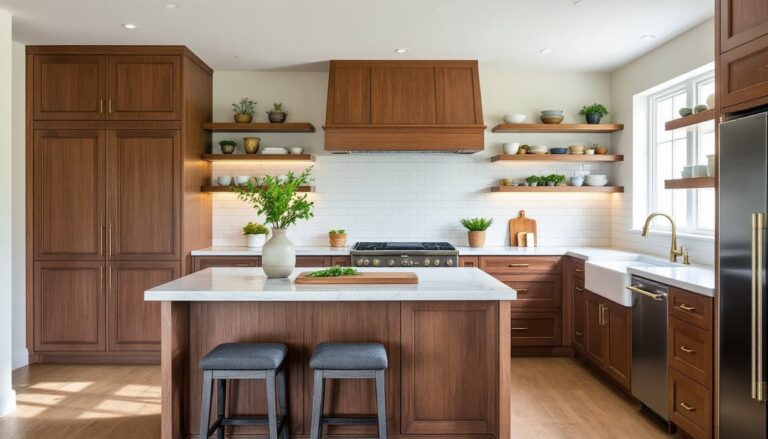

Learning how to design and decor a space doesn’t require a degree or a massive budget. It requires intention, a bit of knowledge, and the willingness to experiment. Whether someone is moving into their first apartment or finally tackling that living room that never felt quite right, the principles stay the same.
Good design creates rooms that function well and feel good to be in. It’s part art, part science, and mostly common sense once the basics click into place. This guide breaks down the essentials, from understanding core design principles to choosing colors, furniture, and accessories that work together. By the end, readers will have a clear roadmap for transforming any space into something that reflects their style and serves their daily life.
Table of Contents
ToggleKey Takeaways
- Learning how to design and decor a space starts with mastering fundamentals like balance, scale, and focal points.
- Use the 60-30-10 color rule to create visual harmony—60% dominant color, 30% secondary, and 10% accent.
- Always measure your room and doorways before shopping for furniture to avoid costly mistakes.
- Pull furniture away from walls and create conversation areas with seating no more than 8 feet apart for a more inviting layout.
- Layer textiles, add plants, and mix styles to bring personality and warmth to your design and decor.
- Edit your accessories with restraint—the best spaces feel curated, not cluttered.
Understanding the Fundamentals of Interior Design
Every well-designed room starts with a few key principles. These fundamentals guide decisions about everything from furniture placement to color choices. Understanding them makes the entire design and decor process more intuitive.
Balance
Balance creates visual stability in a room. There are two main types: symmetrical and asymmetrical. Symmetrical balance mirrors elements on either side of a central point, think matching nightstands flanking a bed. Asymmetrical balance uses different objects of similar visual weight, like pairing a large armchair with two smaller side tables. Both approaches work: the choice depends on the desired feel.
Scale and Proportion
Scale refers to how furniture and decor relate to the room’s size. A massive sectional in a tiny living room overwhelms the space. A delicate loveseat in a cavernous great room looks lost. Proportion concerns how objects relate to each other. A coffee table should typically be about two-thirds the length of the sofa it sits in front of.
Focal Points
Every room benefits from a focal point, a feature that draws the eye first. This might be a fireplace, a large window, or a statement piece of art. Furniture arrangements should orient toward this anchor. Without a focal point, rooms feel scattered and unfocused.
Rhythm and Flow
Rhythm in design comes from repetition. Repeating colors, shapes, or materials throughout a space creates cohesion. Flow concerns how people move through the room. Clear pathways of at least 36 inches allow comfortable movement and make spaces feel open rather than cramped.
Choosing a Cohesive Color Palette
Color sets the mood of any room. It’s one of the most powerful tools in design and decor, yet it’s also where many beginners feel stuck. The good news? There’s a simple framework that works.
The 60-30-10 Rule
This classic formula breaks down color distribution:
- 60% goes to the dominant color (walls, large furniture pieces)
- 30% goes to the secondary color (accent furniture, curtains, rugs)
- 10% goes to accent colors (throw pillows, artwork, decorative objects)
This ratio creates visual interest while maintaining harmony. The dominant color grounds the space, the secondary adds depth, and the accent provides pops that draw attention.
Starting Points for Palette Selection
Not sure where to begin? Pull inspiration from something that already exists, a favorite piece of artwork, a rug, or even a fabric swatch. These items contain pre-coordinated colors that professionals have already balanced.
Nature offers another reliable source. Earth tones, ocean hues, and forest palettes feel instinctively pleasing because they’re familiar.
Warm vs. Cool Tones
Warm colors (reds, oranges, yellows) energize spaces and make them feel cozy. They work well in social areas like living rooms and dining rooms. Cool colors (blues, greens, purples) calm and soothe. They suit bedrooms and bathrooms.
Neutral tones, whites, grays, beiges, serve as excellent foundations that allow other elements to shine. Most successful design and decor schemes blend warm and cool elements rather than committing entirely to one.
Selecting Furniture and Layout Essentials
Furniture forms the backbone of any room. The right pieces in the right arrangement make spaces functional and inviting. Poor choices create awkwardness that no amount of accessories can fix.
Measure First, Shop Second
This step sounds obvious, but skipping it causes countless design mistakes. Measure the room. Measure doorways and stairwells (furniture needs to fit through them). Create a floor plan, even if it’s just a rough sketch on paper. Many free apps now allow users to input room dimensions and experiment with furniture placement before buying anything.
Anchor Pieces
Start with the largest pieces, the sofa in a living room, the bed in a bedroom, the dining table in an eating area. These anchor pieces dictate everything else. Choose them for both style and quality. A well-made sofa lasts 15+ years, making it worth the investment.
Layout Principles
Pull furniture away from walls. This counterintuitive tip makes rooms feel larger and more intimate. Create conversation areas where people can comfortably talk without shouting across the space, ideally with seating no more than 8 feet apart.
Leave clear traffic lanes. Nobody wants to squeeze past furniture constantly. Consider how people actually use the room and arrange accordingly.
Mixing Styles
A room full of matching furniture looks like a showroom catalog, and not in a good way. Mixing pieces from different eras and styles adds character. The key is finding a common thread: similar wood tones, complementary colors, or consistent lines (all curved or all angular).
Incorporating Decorative Elements and Accessories
Accessories bring personality to a space. They’re the finishing touches that transform a well-arranged room into one that feels lived-in and loved. This final layer of design and decor is where individual style really shines.
Layering Textiles
Textiles add warmth and visual interest. Layer rugs over hard floors. Drape throw blankets over sofas and chairs. Stack pillows in varying sizes and textures. The combination of materials, cotton, wool, velvet, linen, creates depth that flat surfaces can’t achieve.
Curtains deserve special mention. They frame windows, soften acoustics, and can make ceilings appear higher when hung close to the ceiling rather than just above the window frame.
Art and Wall Decor
Empty walls feel unfinished. But covering every inch creates visual chaos. Aim for balance. A single large piece often works better than multiple small ones. When creating gallery walls, lay out the arrangement on the floor first to test the composition.
Hang art at eye level, about 57 inches from the floor to the center of the piece. This museum standard works in most spaces.
Plants and Natural Elements
Greenery breathes life into any room. Even those without a green thumb can find low-maintenance options like pothos, snake plants, or ZZ plants. Beyond aesthetics, plants improve air quality and boost mood.
Other natural elements, wood, stone, woven baskets, ground spaces and prevent them from feeling sterile.
The Editing Process
Accessorizing requires restraint. More isn’t always better. Step back, evaluate what each item contributes, and remove anything that doesn’t serve a purpose or bring joy. The best design and decor feels curated, not cluttered.