
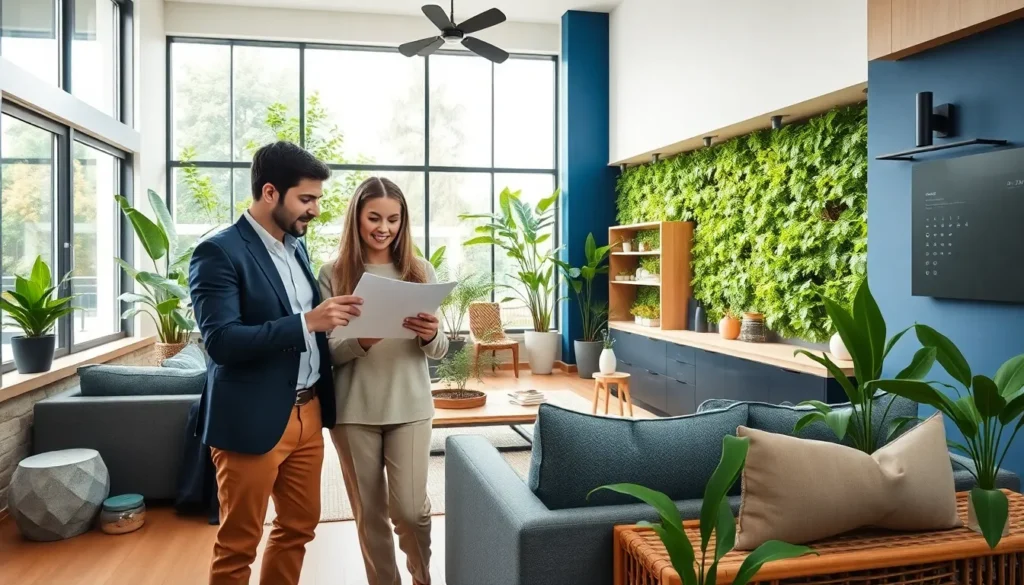
Home improvement trends 2026 are shaping up to redefine how people live, work, and relax in their spaces. Homeowners want more than aesthetic updates, they’re looking for function, sustainability, and technology that actually makes life easier. This year brings fresh ideas that blend style with purpose.
From eco-friendly upgrades to smart home systems, the priorities are clear. People want homes that save energy, adapt to their needs, and look great doing it. Whether planning a major renovation or small updates, understanding these home improvement trends 2026 can guide smarter decisions. Here’s what’s coming.
Table of Contents
ToggleKey Takeaways
- Home improvement trends 2026 prioritize sustainability, with eco-friendly upgrades like solar panels, heat pumps, and recycled materials becoming standard expectations.
- Smart home technology integration focuses on unified ecosystems that connect lighting, security, and climate control through a single interface for seamless control.
- Multifunctional living spaces are essential, with homeowners creating flexible zones for remote work, guest rooms, and outdoor living areas.
- Biophilic design brings nature indoors through natural materials, living walls, earth-tone palettes, and water features to improve mental health and well-being.
- Bold color choices and statement features are replacing neutral palettes, allowing homeowners to express individuality through vibrant hues and textured finishes.
- Energy management tools like smart thermostats and low-flow fixtures help reduce utility bills while supporting eco-conscious home improvement trends 2026.
Sustainable and Eco-Friendly Upgrades
Sustainability tops the list of home improvement trends 2026. Homeowners are investing in upgrades that reduce environmental impact and lower utility bills. Solar panels, energy-efficient windows, and improved insulation remain popular choices. But this year, expect to see even more focus on materials and systems that prioritize the planet.
Recycled and upcycled building materials are gaining traction. Reclaimed wood, recycled metal fixtures, and eco-friendly paints with low VOC levels are becoming standard. Many homeowners are also switching to heat pumps, which use less energy than traditional HVAC systems.
Water conservation is another priority. Low-flow fixtures, rainwater collection systems, and drought-resistant landscaping help reduce water usage. These upgrades appeal to eco-conscious buyers and can increase home resale value.
The shift isn’t just about big-ticket items. Small changes add up. LED lighting, smart thermostats, and energy-efficient appliances contribute to a greener home. In 2026, sustainability isn’t a trend, it’s an expectation.
Smart Home Technology Integration
Smart home technology continues to dominate home improvement trends 2026. This year, integration is the key word. Homeowners want devices that work together seamlessly, not a collection of gadgets that each require separate apps.
Unified smart home ecosystems are the goal. Systems that connect lighting, security, climate control, and entertainment through a single interface are in high demand. Voice assistants like Alexa and Google Home serve as central hubs, making control simple and intuitive.
Security upgrades lead the pack. Smart locks, video doorbells, and AI-powered cameras offer peace of mind. Many systems now include features like facial recognition and package detection.
Energy management is another focus. Smart thermostats learn household patterns and adjust temperatures automatically. Smart plugs track energy usage and shut off devices when not in use. These tools help homeowners save money while reducing their carbon footprint.
Home offices benefit from tech upgrades too. Automated lighting that adjusts based on time of day, soundproofing solutions, and high-speed networking setups support remote work. As hybrid work remains common, these improvements add real value to daily life.
Multifunctional Living Spaces
Flexibility defines home improvement trends 2026. With remote work, homeschooling, and multigenerational living on the rise, homeowners need spaces that serve multiple purposes.
Open floor plans are evolving. Instead of one large, undefined space, homeowners are creating zones within rooms. Movable partitions, built-in shelving, and strategic furniture placement help define areas for work, relaxation, and family time.
Home offices remain a priority. But they’re getting smarter. Murphy beds that fold into desks, closet conversions, and soundproofed nooks allow homeowners to carve out workspace without sacrificing square footage.
Guest rooms are pulling double duty. A spare bedroom might include a daybed, desk, and storage to function as a home office by day and guest quarters by night. Finished basements and attics are also being transformed into flexible spaces.
Outdoor living extends the usable area of homes. Covered patios, outdoor kitchens, and weatherproof furniture create year-round living spaces. These additions expand functionality without the cost of a full addition.
Natural Materials and Biophilic Design
Biophilic design is a major force in home improvement trends 2026. This approach brings natural elements indoors to create calming, healthy environments. Homeowners want spaces that feel connected to nature.
Natural materials are central to this trend. Stone countertops, hardwood floors, and clay tiles add texture and warmth. Cork, bamboo, and rattan furniture offer sustainable alternatives to synthetic materials.
Plants are everywhere. Living walls, indoor gardens, and potted greenery improve air quality and add visual interest. Large windows and skylights maximize natural light, reducing the need for artificial lighting and boosting mood.
Earth tones dominate color palettes. Warm browns, soft greens, terracotta, and sandy beiges create a sense of calm. These colors pair well with natural materials and support a cohesive design.
Water features are gaining popularity. Indoor fountains and small ponds add a sensory element that promotes relaxation. The sound of running water can reduce stress and create a spa-like atmosphere at home.
Biophilic design isn’t just about looks. Studies show that exposure to natural elements improves mental health and productivity. Homeowners are taking note.
Bold Color Choices and Statement Features
After years of neutral palettes, bold color choices are making a comeback in home improvement trends 2026. Homeowners are ready to express personality through vibrant hues and eye-catching features.
Deep blues, rich greens, and warm terracotta are popular for accent walls and cabinetry. These colors add depth and character without overwhelming a space. Black fixtures and hardware, faucets, cabinet pulls, light fixtures, provide striking contrast.
Statement features draw attention. Dramatic fireplaces, sculptural staircases, and oversized artwork serve as focal points. In kitchens, bold backsplashes and patterned tiles make a statement.
Ceilings are no longer an afterthought. Painted ceilings, exposed beams, and decorative molding add interest overhead. This “fifth wall” approach creates a finished, intentional look.
Texture plays a role too. Fluted wood panels, textured wallpaper, and three-dimensional tiles add visual interest. Mixing textures, smooth marble with rough wood, matte finishes with glossy accents, creates dynamic spaces.
The trend reflects a broader shift toward individuality. Homeowners want spaces that feel personal and unique, not copied from a catalog.

