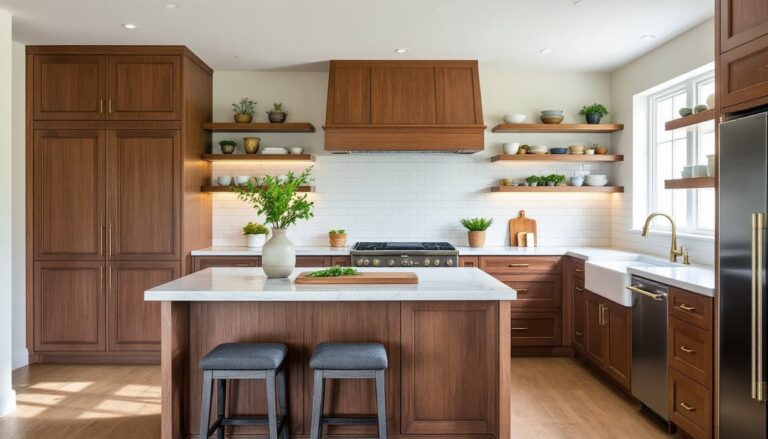

Italian kitchen design brings the warmth and authenticity of the Mediterranean into your home, think terracotta tiles, hand-plastered walls, and the kind of lived-in elegance that makes you want to linger over espresso. Unlike the glossy, all-white kitchens that dominate American remodels, Italian kitchens embrace natural materials, rich textures, and a mix of old and new that feels collected rather than catalog-ordered. Whether you’re planning a full-scale renovation or just want to inject some Tuscan soul into your existing space, understanding the core principles of Italian design will help you make smart choices about materials, layout, and finish details that actually look authentic.
Table of Contents
ToggleKey Takeaways
- Italian kitchen design prioritizes natural materials like marble, terracotta, and solid wood, which age gracefully and develop character over time rather than looking mass-produced.
- Authentic Italian kitchen layouts embrace open, social spaces with farmhouse tables and open shelving instead of closed cabinetry, putting everyday cooking tools on display as functional décor.
- Warm, earthy color palettes inspired by Mediterranean landscapes—ochre, sage, cream, and burnt sienna—work best, along with Venetian plaster or lime wash finishes that create depth and warmth.
- You can achieve the Italian kitchen aesthetic on any budget by swapping hardware, adding open shelving, installing a stone backsplash, and refinishing cabinets with warm stains or distressed paint.
- Italian kitchens embrace visible imperfections and patina as features, not flaws, so surfaces that stain, etch, and wear over time fit the style perfectly when properly maintained.
What Defines Authentic Italian Kitchen Design?
Authentic Italian kitchens aren’t about matching cabinetry sets or following a single aesthetic rulebook. They’re rooted in function, regional tradition, and the idea that a kitchen should feel like the heart of the home, not a showroom.
First, Italian design values natural, unprocessed materials over synthetic finishes. You’ll see travertine or marble countertops, solid wood cabinets (often walnut, cherry, or chestnut), wrought iron hardware, and terracotta or stone flooring. These materials age gracefully and develop patina, which is a feature, not a flaw.
Second, there’s an emphasis on open, social layouts. Traditional Italian kitchens often flow into dining areas without hard boundaries. Islands are less common than large farmhouse tables that serve as both prep surfaces and gathering spots.
Third, the cabinetry tends to be unfitted or semi-fitted, meaning individual pieces of furniture (hutches, open shelving, freestanding pantries) rather than built-in runs of identical cabinets. This gives the room a collected-over-time feel and makes it easier to work with non-standard room dimensions.
Finally, Italian kitchens embrace visible utility and wear. Pot racks hang from the ceiling. Olive oil sits on the counter in a ceramic jug. Wooden cutting boards lean against the backsplash. It’s the opposite of minimalist Scandinavian design, here, the tools of cooking are part of the decor.
Essential Elements of Italian Kitchen Style
Natural Materials and Rustic Textures
Italian kitchens lean heavily on stone, wood, plaster, and clay. For countertops, travertine and honed marble are classic choices, they’re softer and more porous than polished granite, so they’ll stain and etch over time. If that bothers you, skip the Italian look. If you’re okay with a surface that tells a story, seal it properly (use a penetrating sealer like StoneTech BulletProof) and reapply annually.
Wood cabinetry should be solid, not veneer. Look for face-frame construction with inset or partial-overlay doors. Stains in warm tones (honey, walnut, cherry) work better than painted finishes, though distressed cream or sage green paint can fit if you’re going for a farmhouse-meets-villa vibe.
Backsplashes are often hand-painted ceramic tile, natural stone, or simply plastered and painted to match the walls. Skip glass or metal tiles, they read too contemporary. If you’re DIYing, consider using 4×4-inch or 6×6-inch terracotta or majolica tiles set in a simple grid. Grout lines should be 1/8 inch to 1/4 inch wide and finished with sanded grout in a warm tan or gray.
Flooring is typically terracotta tile (saltillo or Italian cotto), natural stone (limestone, travertine), or wide-plank wood. Terracotta needs to be sealed, use a breathable sealer like Fila MP90 to prevent moisture damage while preserving the matte finish. If the tile isn’t level, that’s okay. Slight irregularities add character.
Warm Color Palettes and Earthy Tones
Italian kitchens pull their color schemes from the landscape: sun-baked clay, olive groves, aged plaster, and wine-country sunsets. Think ochre, terracotta, burnt sienna, sage, cream, and soft gold.
Walls are often finished with Venetian plaster or lime wash rather than standard latex paint. Venetian plaster (a mix of slaked lime and marble dust) creates a subtle, multi-tonal surface that catches light differently throughout the day. It’s labor-intensive but DIY-friendly if you’re patient, apply it in thin coats with a trowel, burnishing between layers. Lime wash is easier: it’s a breathable, matte paint made from limestone that naturally varies in tone. Brands like Portola and Bauwerk make premixed versions.
If you’re sticking with standard paint, choose low-sheen finishes (eggshell or matte) in warm neutrals. Benjamin Moore’s “Coastal Fog” or Farrow & Ball’s “Pointing” are good starting points, though test samples in your actual light conditions.
Accent colors come from natural materials and decor: cobalt blue ceramics, copper cookware, green glass bottles, woven baskets. Avoid bright primary colors or high-contrast schemes, Italian palettes are warm and harmonious, not punchy.
Planning Your Italian Kitchen Layout
Italian kitchens favor working triangles with plenty of counter landing space and accessible storage. Unlike modern open-plan kitchens that hide everything behind flat cabinet doors, Italian layouts put everyday items within arm’s reach.
If you’re working with a galley or L-shaped kitchen, consider adding a freestanding island or farmhouse table in the center instead of built-in cabinetry. A solid wood table (or an antique farm table) doubles as prep space and dining area. Standard table height is 30 inches: counter height is 36 inches. If you’re building a custom island, aim for 42 to 48 inches wide by 60 to 72 inches long to allow workspace on multiple sides.
Open shelving is common, especially for everyday dishes, glassware, and cookware. Use solid wood or wrought iron brackets (rated for at least 100 pounds per pair) and mount them into studs or use heavy-duty toggle anchors in drywall. Shelves should be 10 to 12 inches deep for plates and bowls, 14 to 16 inches for larger serving pieces.
For appliances, Italian kitchens often feature professional-style ranges (or at least ranges with front controls and heavy grates) and hooded vents. A range hood should move at least 300 CFM for a standard 30-inch range, more if you cook frequently with high heat. Vent to the outside if possible, recirculating hoods don’t remove moisture or combustion byproducts effectively.
Avoid upper cabinets wherever you can. If you need closed storage, use a hutch, armoire, or pantry cabinet instead. This keeps the room from feeling boxy and allows you to show off a few beautiful pieces.
Finally, many traditional kitchen layouts incorporate a separate pantry or larder with floor-to-ceiling shelving, wine storage, and room for bulk staples. If you have a closet or alcove near the kitchen, converting it to a walk-in pantry adds both function and authenticity.
How to Bring Italian Design into Your Kitchen on Any Budget
You don’t need to gut your kitchen or import tile from Tuscany to get the look. Start with these high-impact, lower-cost changes.
Swap out hardware. Replace modern pulls and knobs with wrought iron or oil-rubbed bronze hardware. Look for bin pulls, cup pulls, or simple ring pulls. Expect to pay $3 to $8 per piece for quality reproductions.
Add open shelving. Remove a few upper cabinet doors (or the entire cabinet box) and install wood or iron shelving. Stain or paint the shelves to match your cabinetry or go with a contrasting tone. Display everyday dishes, bowls, and a few decorative pieces, not tchotchkes.
Install a terracotta or stone backsplash. A small backsplash (around 30 square feet) costs $150 to $400 in materials if you DIY. Use natural stone or handmade ceramic tiles and skip the subway tile. If tiling isn’t in the budget, consider a limewash or textured plaster finish on the wall instead.
Introduce natural textures. Swap plastic cutting boards for end-grain walnut or olive wood. Replace overhead lighting with wrought iron or ceramic pendant fixtures. Add a terracotta utensil crock, linen dish towels, and a wood dough bowl for fruit.
Refinish or paint cabinets. If your cabinets are solid wood, strip and stain them in a warm walnut or cherry tone. If they’re laminate or dated oak, paint them in a soft cream, sage, or putty color using a durable cabinet paint like Benjamin Moore Advance. Distress edges lightly with fine-grit sandpaper for a worn look.
Change your countertops (if feasible). Laminate and solid surface materials look out of place in an Italian kitchen. If replacement isn’t an option, consider concrete overlays or even butcher block for a more natural feel. Butcher block runs $40 to $70 per linear foot and can be DIY-installed with the right tools (circular saw, jigsaw, drill). Seal it with food-safe mineral oil or a film-forming sealer like Waterlox.
Declutter and edit. Italian kitchens aren’t cluttered, but they’re not sterile either. Keep counters clear except for daily-use items: olive oil, a knife block, a fruit bowl, fresh herbs in a pot. Store small appliances in a pantry or lower cabinet.
For more ideas and inspiration, browse curated galleries that showcase both high-end and accessible Italian kitchen projects. Many design resources also feature DIY tutorials and material sourcing tips that can help you execute the look without professional help.
Conclusion
Italian kitchen design isn’t a style you buy off the shelf, it’s a layered, lived-in approach that values natural materials, honest construction, and a little imperfection. Start with one or two key changes, let the room evolve, and don’t be afraid of patina. The best Italian kitchens look like they’ve been there for decades.