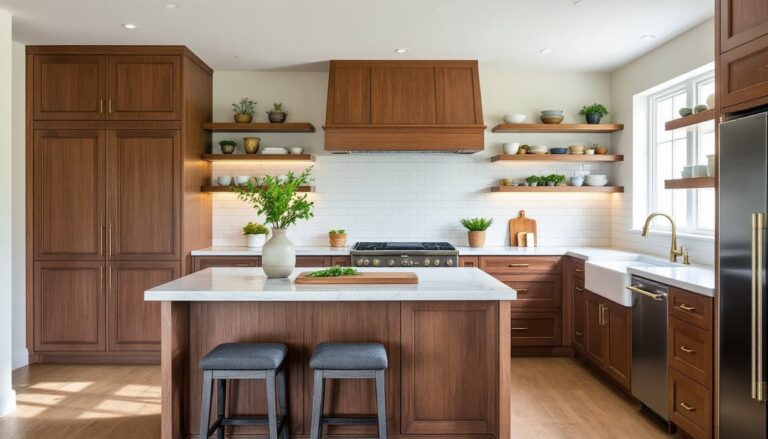

Tuscan kitchen design brings the rustic warmth of the Italian countryside into the heart of your home. This style combines natural materials, earthy colors, and time-tested craftsmanship to create spaces that feel both lived-in and timeless. Unlike trendy kitchen styles that come and go, Tuscan design draws from centuries of Mediterranean building traditions, think exposed wood beams, hand-plastered walls, and stone surfaces that age gracefully. Whether you’re planning a full remodel or looking to refresh your existing kitchen with Old-World touches, understanding the core elements of this style will help you make smart material choices and avoid common missteps that leave spaces feeling more “theme restaurant” than authentic.
Table of Contents
ToggleKey Takeaways
- Tuscan kitchen design prioritizes warm, earthy colors like ochre, terracotta, and burnt sienna paired with natural, unpolished materials such as travertine, stone, and wood to create an authentic Italian farmhouse aesthetic.
- Exposed wood beams, hand-plastered walls, and open shelving are signature Tuscan kitchen design elements that require adequate ceiling height (8+ feet) and work best in homes with room to showcase rustic details.
- Wrought iron hardware, oil-rubbed bronze fixtures, and aged finishes authentically capture the Tuscan style, while avoiding high-gloss or machine-perfect surfaces that contradict the design’s celebration of imperfection and character.
- Paint, lighting, and hardware offer the most cost-effective way to achieve Tuscan kitchen design if a full renovation isn’t feasible, making this style accessible regardless of budget constraints.
- Tuscan kitchen design differs from Mediterranean or Spanish Colonial styles through its restrained, earthy palette and emphasis on rustic craftsmanship rather than ornamental tile work.
- Stone flooring, custom cabinetry with visible grain, and textured finishes improve with age, allowing your Tuscan kitchen to develop authentic patina and character over time without requiring perfection during installation.
What Is Tuscan Kitchen Design?
Tuscan kitchen design replicates the functional, warm aesthetic of Italian farmhouse kitchens found in the Tuscany region. It emphasizes natural materials, handcrafted details, and a color palette inspired by the landscape, sun-baked clay, olive groves, vineyard earth, and limestone cliffs.
This isn’t a minimalist style. Tuscan kitchens are layered, textured, and comfortable, built around the idea that the kitchen is a gathering place. You’ll see heavy timber beams (or faux beams if structural limitations apply), plaster walls with slight imperfections, and cabinetry that looks custom-built rather than factory-fresh.
Key characteristics include open shelving for displaying pottery and glassware, wrought iron accents in light fixtures and hardware, and surfaces that show age and character rather than high-gloss uniformity. The style works best in homes with adequate ceiling height, 8-foot ceilings can feel cramped with heavy beams and dark wood. If your space is smaller or has lower ceilings, focus on color and texture rather than architectural elements.
Tuscan design differs from Mediterranean or Spanish Colonial styles in its restraint. It’s less ornate than Spanish tile work and less coastal than Greek or Turkish influences. The palette stays earthy and muted, and decorative elements lean rustic rather than ornamental.
Essential Elements of Tuscan Kitchen Style
Getting the Tuscan look right comes down to two foundational decisions: color and material. Both should reference the natural landscape and traditional building methods.
Warm, Earthy Color Palettes
Tuscan kitchens rely on a base of warm neutrals: ochre, terracotta, burnt sienna, deep gold, and creamy off-whites. These aren’t paint-store whites, think aged plaster, not builder-grade eggshell.
Walls are often finished with Venetian plaster or textured paint techniques that mimic old lime plaster. If you’re DIYing this, use a trowel-applied plaster product like Behr’s Venetian Plaster or a similar acrylic-based finish. Apply it in thin, irregular layers and burnish with a steel trowel for subtle sheen. This isn’t drywall-smooth work, slight inconsistencies add authenticity.
For cabinetry, choose muted earth tones: olive green, rusty red-brown, or natural wood stains in walnut or chestnut. Avoid cool grays or stark whites, which read modern. If you’re painting existing cabinets, lightly distress edges and corners with fine-grit sandpaper after the topcoat dries to simulate wear.
Accent colors come from nature: deep wine reds, mossy greens, and golden yellows. Use these sparingly in textiles, pottery, or small painted details. Many homeowners draw inspiration from traditional Italian villas when selecting their palette.
Natural Materials and Textures
Authenticity in Tuscan design comes from material choices. Prioritize natural, unpolished surfaces over synthetics.
Wood: Exposed ceiling beams are a signature element. If you’re adding faux beams, use hollow polyurethane beams that mimic hand-hewn timber, brands like Barron Designs offer realistic textures and dimensions (typically 6×6 or 8×8 nominal). Install them perpendicular to ceiling joists with construction adhesive and lag screws into blocking. Space them 3-4 feet apart for visual balance without crowding.
Stone: Incorporate stone in backsplashes, flooring, or range hoods. Travertine, limestone, and tumbled marble all fit the style. For flooring, travertine tiles (typically 12×12 or 16×16 inches) offer durability and the right color range. Expect to pay $8–$15 per square foot for materials, plus installation. Seal stone surfaces with a penetrating sealer to prevent staining, reapply annually in high-traffic areas.
Terracotta: Terracotta tile flooring is traditional but requires maintenance. Unsealed terracotta is porous and stains easily, so use a high-quality sealer like DuPont StoneTech. Alternatively, consider porcelain tiles that replicate terracotta for easier upkeep.
Metal: Wrought iron and aged bronze suit Tuscan hardware and fixtures better than brushed nickel or chrome. Look for oil-rubbed bronze cabinet pulls, pot racks, and light fixtures. If installing a pot rack, locate ceiling joists with a stud finder and use heavy-duty toggle bolts rated for at least 50 pounds if mounting into drywall between joists.
Avoid anything too shiny or machine-perfect. Tuscan style celebrates imperfection, hand-forged metal, wood with visible grain and knots, stone with natural color variation.
Tuscan Kitchen Design Features and Fixtures
Once you’ve established palette and materials, focus on the functional elements that define a Tuscan kitchen’s character.
Cabinetry and Storage Solutions
Tuscan cabinetry tends toward two approaches: natural wood with visible grain or painted and distressed finishes.
For wood cabinets, choose species with prominent grain patterns, knotty alder, hickory, or reclaimed barn wood. Finish with a matte or satin varnish, never high-gloss. If building custom, use inset doors or beaded face-frame construction for a handcrafted look. Avoid frameless (European-style) cabinets, which read too modern.
If painting, apply a base coat in a warm neutral, then lightly distress edges and raised details. Follow with a dark glaze (burnt umber or raw sienna mixed with glaze medium) and wipe it into recesses and corners. This creates depth and age. Seal with matte polyurethane.
Open shelving is essential. Replace upper cabinets on at least one wall with 2-inch-thick wood shelves supported by wrought iron brackets. Display rustic pottery, glass jars, and cookware. Install shelves into studs using 3-inch wood screws, drywall anchors won’t support the weight of ceramics.
Skip cabinet hardware that’s too sleek. Use oversized ring pulls or bin pulls in oil-rubbed bronze or hand-forged iron. For a budget-friendly option, spray-paint existing hardware with Rust-Oleum’s Oil Rubbed Bronze and lightly sand raised areas for a worn look.
Countertops, Backsplashes, and Flooring
Countertops: Granite, soapstone, and butcher block all work. Choose granite in warm tones, golden, brown, or rust-colored slabs, with movement and variation. Avoid solid black or gray granite. Soapstone darkens and develops a patina over time, which suits the style. For work surfaces near the range, consider a butcher block insert for prep work, use edge-grain maple or walnut, at least 1.5 inches thick, and maintain it with food-safe mineral oil monthly.
Backsplashes: Stone and tile backsplashes provide both function and Old-World texture. Install tumbled travertine in a stacked or brick-lay pattern, or use hand-painted ceramic tiles with slight color variation. Avoid subway tile or glass mosaics, which skew contemporary. For a focal point behind the range, build a plaster range hood over a stainless insert. Frame it with 2x4s, sheath with cement board, and finish with trowel-applied plaster. Many renovation guides emphasize the importance of texture in backsplash design.
Flooring: As mentioned, travertine and terracotta tile are traditional. Installation requires a level subfloor, check with a 4-foot level and grind down high spots or fill low areas with self-leveling compound. Use a notched trowel (typically 1/4 x 3/8-inch notches for 12-inch tile) to spread thin-set mortar, and maintain consistent grout lines with spacers. Allow 24 hours before grouting. Choose a sanded grout in a warm tan or ochre: seal after it cures.
Alternatively, wide-plank wood flooring (5–7 inches wide) in a distressed finish works if tile isn’t feasible. Use engineered hardwood in kitchens for better moisture resistance than solid wood.
Lighting: Install wrought iron chandeliers or pendant lights with amber or seeded glass shades. For task lighting, use under-cabinet puck lights with warm (2700K) LED bulbs, cool white LEDs kill the warmth of the palette.
Final notes: Tuscan style is forgiving and flexible. You don’t need to replicate a 16th-century farmhouse, focus on a few strong elements (textured walls, natural materials, warm color) rather than overdoing every detail. If budget is tight, prioritize paint, lighting, and hardware over costly stone or custom cabinetry. And remember: this style improves with age, so don’t stress over perfection.